Quick Facts
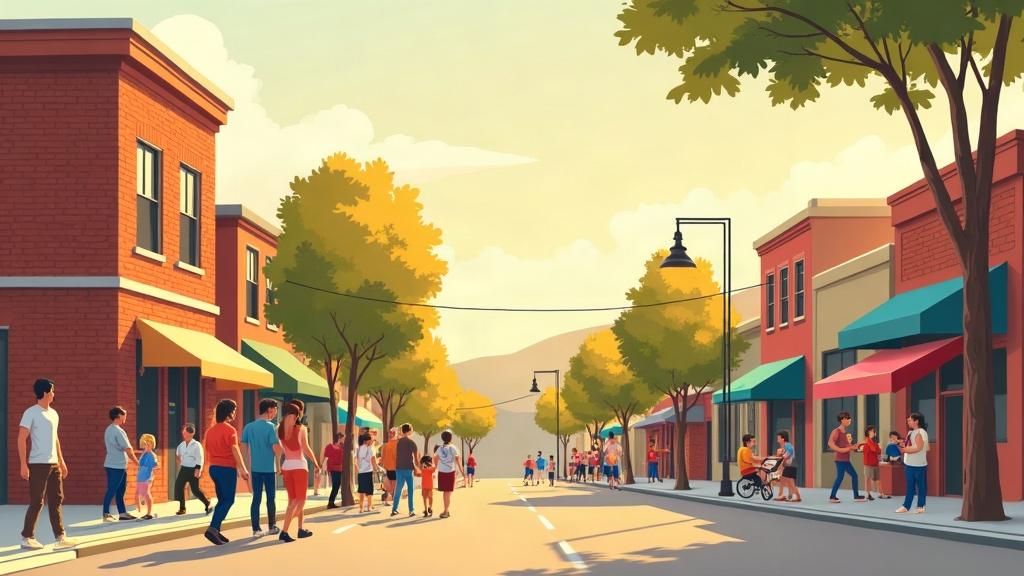
Welcome to Idaho Falls, a charming city nestled in the heart of southeastern Idaho. Known for its stunning landscapes and friendly community, Idaho Falls offers a blend of small-town charm and modern amenities. Whether you're considering a move or just curious about the area, here are some quick facts to get you acquainted with this delightful city.
Overview of Idaho Falls
Idaho Falls is a vibrant city that serves as a gateway to some of the most breathtaking natural attractions in the region, including Yellowstone National Park and the Grand Teton National Park. The Snake River runs through the city, offering picturesque views and a variety of recreational activities. The city is known for its strong community spirit and family-friendly environment, making it an ideal place for those seeking a quieter lifestyle with access to outdoor adventures.
Population and Demographics
The population of Idaho Falls is steadily growing, with an estimated 71,785 residents as of 2025. The city boasts a diverse demographic, with a mix of young professionals, families, and retirees. The community is known for being welcoming and supportive, with a strong emphasis on family values and community involvement.
Cost of Living Index
Idaho Falls is an affordable place to live, with a cost of living that is generally lower than the national average. The overall cost of living is approximately
Local Economy and Employers
Idaho Falls is home to a diverse economy with key industries including healthcare, education, and energy. Major employers in the area include the Idaho National Laboratory, Mountain View Hospital, and the Idaho Falls School District. The city’s economy is bolstered by a mix of small businesses and larger corporations, providing a range of employment opportunities for residents.
Taxes and Utilities
Residents of Idaho Falls benefit from relatively low utility costs, with basic utilities for an 85 m² apartment costing about
Community and Lifestyle
Idaho Falls is known for its community-oriented lifestyle, with numerous events and activities that bring residents together. The city hosts a variety of cultural and recreational events throughout the year, including the popular Snake River Roaring Youth Jam and the Idaho Falls Farmers Market. With a blend of cultural attractions, outdoor activities, and a strong sense of community, Idaho Falls offers a quality of life that is hard to beat.
Housing Costs
Welcome to the housing section of Idaho Falls, where the charm of small-town living meets affordability. Whether you're renting or buying, Idaho Falls offers a range of options that are generally easier on the wallet compared to the national average. Let's dive into the details!
Rental Market
If you're considering renting in Idaho Falls, you'll find a variety of options across the city. For those looking for a cozy space, studio apartments average around $899 per month. If you need a bit more room, a one-bedroom apartment will set you back approximately $1,227 per month. Families or those needing extra space can find two-bedroom apartments for about $1,404, while three-bedroom options average $1,797 monthly. These prices are quite favorable compared to the national average, with the average rent in Idaho Falls being 26.4% below the national figure of $1,667.
Neighborhoods like the historic downtown area offer charming older buildings with character, while newer developments near Ammon provide modern amenities and larger complexes. Employers such as Idaho National Laboratory and Eastern Idaho Regional Medical Center are major players in the area, often attracting professionals who appreciate the affordable living costs.
Home Buying Market
For those looking to plant more permanent roots, the home buying market in Idaho Falls is also appealing. The median owner-occupied home value is $335,500, which is significantly lower than many other parts of the country. This makes homeownership accessible for many, whether you're a first-time buyer or looking to upgrade.
The trend in Idaho Falls has been a steady increase in home values, reflecting a growing interest in the area. From 2006 to 2010, the median home value was $144,200, and it has since more than doubled. While this might sound steep, it's important to note that this increase is part of a broader national trend, and Idaho Falls still remains a more affordable option.
Quick Facts
| Category | Idaho Falls | National Average |
|---|---|---|
| Average Rent | $1,227/month | $1,667/month |
| Median Home Value | $335,500 | Varies by region |
Frequently Asked Questions
Q: Is renting cheaper than buying in Idaho Falls?
A: It depends on your long-term plans. Renting is generally cheaper upfront, but buying can be more cost-effective in the long run if you plan to stay.
Q: What are the best neighborhoods for families?
A: Areas like Ammon and the west side of Idaho Falls are popular with families due to good schools and parks.
Q: How competitive is the housing market?
A: The market has been competitive, with rising home values, but it's still more affordable than many other U.S. cities.
Q: Are there any new housing developments?
A: Yes, there are several new developments, especially in the Ammon area, offering modern homes with updated amenities.
Q: What are the property taxes like in Idaho Falls?
A: Property taxes are relatively low, with an urban-area estimate of 0.857%, making it an attractive place for homeowners.
Q: Is it easy to find pet-friendly rentals?
A: Many landlords in Idaho Falls are open to pets, but it's always best to check individual listings for specific policies.
Idaho Falls offers a welcoming community with housing options that cater to various needs and budgets, making it a great place to call home. Whether you're renting or buying, you'll find that your dollar stretches further here, leaving more room for enjoying all that this charming city has to offer.
Utilities
Navigating the utility landscape in Idaho Falls is a breeze, thanks to reasonable costs and the city's commitment to efficient services. Whether you're a newcomer or a long-time resident, understanding your monthly bills can help you manage your budget effectively. Let's dive into the specifics of what you can expect.
Electricity and Gas
In Idaho Falls, electricity is not only affordable but also locally managed by Idaho Falls Power. With a residential charge of about $0.0785 per kWh and a $24.50 monthly service fee, your average monthly bill for 1,000 kWh is around $103. This rate is significantly lower than the national average, making Idaho Falls a budget-friendly choice for electricity. Plus, the city offers optional clean-energy charges if you're looking to go green.
Gas services are typically provided by Intermountain Gas Company. While specific rates can vary, the overall cost of gas in Idaho Falls is competitive, especially when compared to larger cities like Boise. Keep in mind that utility costs can fluctuate with the seasons, with heating costs rising during the chilly winter months.
Water and Sewer
The City of Idaho Falls takes care of water and sewer services, ensuring residents have access to clean and reliable water. While exact monthly costs can vary depending on usage, residents generally find these services to be affordable. The city is known for its efficient water management, which helps keep costs down. As with many places, expect a slight increase in your water bill during the summer months when outdoor water usage typically rises.
Internet and Cable
Staying connected in Idaho Falls is straightforward with several internet and cable providers to choose from. Companies like Sparklight and CenturyLink offer a range of internet packages, with basic plans starting around $58 per month. This is in line with the national average, providing good value for your money. Many residents find bundled packages that include both internet and cable to be the most economical choice, especially if you're looking to save a few bucks.
Quick Facts
| Utility | Average Cost |
|---|---|
| Electricity | Approximately $103/month |
| Gas | Varies (seasonal) |
| Water & Sewer | Affordable, varies with usage |
| Internet | About $58/month |
Frequently Asked Questions
Q: How do utility costs in Idaho Falls compare to other cities in Idaho?
Idaho Falls' utility costs are about 16.6% below the U.S. average, making them more affordable than in larger Idaho cities like Boise.
Q: Are there any seasonal variations in utility expenses?
Yes, expect higher heating costs in winter and increased water usage in summer, affecting your overall bills.
Q: Can I choose my electricity provider in Idaho Falls?
Electricity is provided by Idaho Falls Power, a city-managed service, ensuring low rates and reliable service.
Q: What are the options for internet service in Idaho Falls?
Residents can choose from providers like Sparklight and CenturyLink, offering competitive rates and various package options.
Q: Is there a way to reduce my utility bills?
Conserving energy and water, opting for bundled internet and cable packages, and exploring clean-energy options can help lower costs.
Living in Idaho Falls means enjoying the benefits of affordable utilities, with a community-focused approach that keeps residents' needs in mind. Whether you're settling into a new home or just looking to optimize your budget, understanding these utility costs is a great place to start.
Groceries
Ah, groceries—where the heart of Idaho Falls truly beats! Whether you're a seasoned local or a newcomer, knowing where to shop can make all the difference in your budget and your culinary adventures.
Average Grocery Costs
In Idaho Falls, grocery costs are about 4.6% below the U.S. average. For a family of four, you can expect to spend around $900 to $1,100 monthly, depending on your shopping habits and dietary preferences. While this might sound like a lot, it's actually quite reasonable when you consider the national average.
Local Markets vs. Supermarkets
When it comes to grocery shopping, Idaho Falls offers a delightful mix of local markets and larger supermarket chains. If you're someone who loves fresh, local produce, you can't miss the Idaho Falls Farmers Market. Open from May through October, it's a treasure trove of local fruits, vegetables, honey, and even handmade crafts. Prices here can be a bit higher than at supermarkets, but the quality and the joy of supporting local farmers make it worth every penny.
For your everyday grocery needs, Albertsons and WinCo Foods are the go-to supermarkets in town. Albertsons is known for its excellent customer service and a wide range of organic products, though it might be slightly pricier. WinCo, on the other hand, is a favorite for bulk buying and budget-friendly prices. You can grab a gallon of milk for just a bit less than at Albertsons, and their bulk section is a haven for anyone looking to stock up on essentials like rice, beans, and pasta.
Cost Comparison of Local Produce and Imported Goods
Local produce is generally more affordable and fresher than imported goods. For instance, a pound of Idaho potatoes (of course!) is cheaper at the farmers market compared to imported varieties you'll find at the supermarket. However, if you're craving tropical fruits like mangoes or papayas, be prepared to pay a premium, as these are typically imported.
Popular Grocery Stores and Their Pricing
Besides Albertsons and WinCo, Fred Meyer is another popular choice for Idaho Falls residents. With its one-stop-shop convenience, you can pick up groceries, clothing, and even home goods in one trip. Their prices are competitive, especially if you keep an eye out for weekly sales and use their rewards program.
Quick Facts
| Store | Specialty | Price Range |
|---|---|---|
| Albertsons | Organic & Specialty Foods | $$ |
| WinCo Foods | Bulk & Budget-Friendly | $ |
| Fred Meyer | One-Stop Shopping | $$ |
| Idaho Falls Farmers Market | Local Produce | $$$ |
Frequently Asked Questions
Q: Are groceries in Idaho Falls expensive compared to other cities?
A: Not at all! Groceries here are about 4.6% below the national average, making it quite affordable.
Q: Where can I find the best deals on groceries?
A: WinCo Foods is your best bet for budget-friendly shopping, especially if you're buying in bulk.
Q: Is local produce available year-round?
A: While the Idaho Falls Farmers Market operates from May to October, many supermarkets stock local produce throughout the year.
Q: Are there any organic grocery stores in Idaho Falls?
A: Albertsons offers a wide range of organic products, and Fred Meyer also has a decent selection.
Q: How can I save money on groceries?
A: Keep an eye out for weekly sales, use store rewards programs, and consider buying in bulk at WinCo Foods.
Taxes
Navigating the tax landscape in Idaho Falls, Idaho, is a breeze, especially if you're coming from a state with higher tax burdens. Here’s the lowdown on what you need to know about property taxes, sales tax, and income tax in this charming city.
Property Taxes
In Idaho Falls, property taxes are relatively modest. The local cost-of-living guide for 2026 pegs the urban-area property tax rate at approximately 0.857%. This rate is a breath of fresh air compared to many other parts of the country. If you own a home here, you may also benefit from Idaho’s homeowner exemption, which can reduce the taxable value of your primary residence by up to $125,000, depending on your eligibility. This exemption is a significant boon for homeowners, providing some financial relief and making homeownership more affordable. Keep in mind, though, that the actual property tax bill can vary based on your parcel, the specific taxing districts, and the assessed value of your property.
Sales Tax
Idaho Falls residents and visitors pay a statewide sales tax of 6%. Unlike some states, Idaho does tax groceries, but don’t fret too much—there’s an Idaho food tax credit designed to help offset part of this cost. While the sales tax might not be the lowest in the nation, it’s fairly straightforward with few local add-ons, making it easier to manage your budget.
Income Tax
When it comes to income tax, Idaho uses a flat rate system. As of 2026, the income tax rate is 5.695% for all taxpayers, which applies to taxable income above the state's specified filing thresholds. This flat rate simplifies tax calculations and planning, offering predictability for both individuals and families. Whether you’re working at Idaho National Laboratory or one of the many local businesses, you’ll appreciate the straightforward nature of Idaho’s income tax system.
Quick Facts
| Tax Type | Rate/Details |
|---|---|
| Property Tax | 0.857% with homeowner exemption up to $125,000 |
| Sales Tax | 6% with tax on groceries |
| Income Tax | 5.695% flat rate |
Frequently Asked Questions
Q: Do I have to pay sales tax on groceries in Idaho Falls?
Yes, groceries are subject to sales tax in Idaho Falls. However, the state offers a food tax credit to help offset some of this cost.
Q: How does the homeowner exemption work for property taxes?
The homeowner exemption can reduce the taxable value of your primary residence by up to $125,000, which can significantly lower your property tax bill if you qualify.
Q: What is the income tax rate in Idaho Falls?
Idaho has a flat income tax rate of 5.695% for all taxpayers, applicable to income above the state’s filing thresholds.
Q: Are there any additional local sales taxes in Idaho Falls?
No, Idaho Falls does not impose additional local sales taxes beyond the statewide rate of 6%.
Q: How does Idaho’s property tax rate compare to the national average?
Idaho’s property tax rate is generally lower than the national average, making it an attractive place for homeowners.
Living in Idaho Falls means enjoying a tax environment that’s less burdensome than many other states, allowing you to focus more on enjoying the stunning landscapes and friendly community that this city offers.
The Bottom Line
Living in Idaho Falls, Idaho, offers a unique blend of affordability and community charm that might just make it your perfect home. For those seeking a place where the cost of living is comfortably below the U.S. average, Idaho Falls is a hidden gem. With housing costs sitting a whopping 41.2% below the national average, you'll find that your dollar stretches further here, especially when it comes to putting a roof over your head. Imagine snagging a cozy studio for just $899 a month or settling into a spacious three-bedroom apartment for $1,797. That's a deal that's hard to beat!
Pros and Cons of Living in Idaho Falls
Living in Idaho Falls comes with its own set of perks and a few challenges. On the plus side, the city offers a tight-knit community vibe, with neighborhoods like Ammon and the historic downtown area providing a welcoming atmosphere. Employers like Idaho National Laboratory and Eastern Idaho Regional Medical Center offer solid job opportunities, especially in tech and healthcare fields. The cost of utilities is also a pleasant surprise, as Idaho Falls Power charges only $0.0785 per kWh, making it significantly cheaper than the national average.
However, it's not all sunshine and rainbows. Winters can be long and cold, which might not be everyone's cup of tea. The social scene is quieter, with limited nightlife options, and the traffic can be more cumbersome than you’d expect for a city of its size.
Comparison to Other Cities
When comparing Idaho Falls to other cities in Idaho, such as Boise or Coeur d'Alene, you'll find that it holds its own quite well. While Boise might offer a more bustling urban environment, Idaho Falls boasts a more relaxed pace and lower housing costs. Nationally, Idaho Falls is 17.2% below the U.S. average for overall living costs, making it an attractive option for those looking to escape the high expenses of larger metropolitan areas.
Quick Facts
| Median Gross Rent | $1,075/month |
| Median Home Value | $335,500 |
| Sales Tax | 6% |
| Average Hourly Wage | $29.41 |
Frequently Asked Questions
Q: Is Idaho Falls a good place to raise a family?
Absolutely! With its family-friendly neighborhoods and excellent schools, Idaho Falls is a wonderful place for raising children.
Q: How does the cost of groceries compare to the national average?
Groceries in Idaho Falls are about 4.6% below the U.S. average, making it easier to keep your pantry stocked without breaking the bank.
Q: What are the job prospects like in Idaho Falls?
The city offers solid employment opportunities, particularly in sectors like technology and healthcare, thanks to major employers like Idaho National Laboratory.
Q: How does the weather impact daily life?
Winters can be long and cold, so be prepared for snow and chilly temperatures. However, the community is well-equipped to handle winter conditions.
Q: Are there any unique local attractions?
Yes, the Tautphaus Park Zoo and the Museum of Idaho are local favorites, offering fun and educational experiences for all ages.
In summary, Idaho Falls is a city that offers affordability and community spirit in spades. It's a place where you can enjoy a high quality of life without the high costs that often come with it. Whether you're drawn to its friendly neighborhoods, job opportunities, or simply the stunning natural beauty surrounding it, Idaho Falls is worth considering as your next home.